Nighttime Routine for Sleep: Tea, Magnesium, Red Light

Nighttime Routine for Sleep: Tea, Magnesium, Red Light
November 26, 2026 Health 0

Disclaimer: This post may contain affiliate links of products I’ve used or approve; If you buy from them, you won’t pay a penny more but I receive a small compensation that helps me create more content like this! Thank you 🙂 As an Amazon Associate I earn from qualifying purchases.

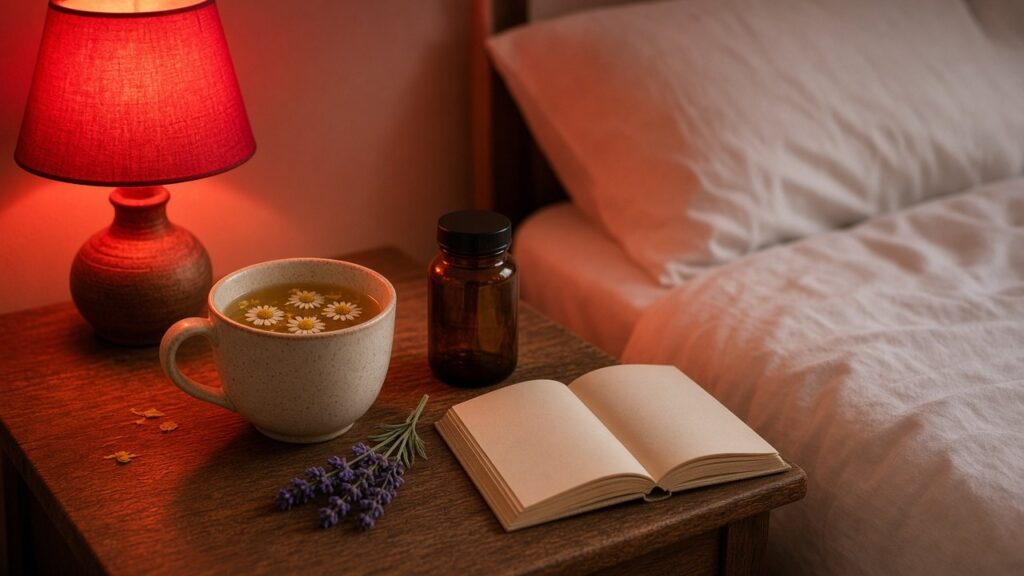
A nighttime routine for better sleep sounds like something you’d find laminated on a hotel nightstand, next to the Wi-Fi password and a mint. I get it. But the core of mine is short, slightly nerdy and actually easy to keep: a cup of chamomile and lavender tea, magnesium glycinate and red light instead of the usual blinding white.

No 14-step ritual, no $300 gadget that tracks how badly you slept and then tells you about it in the morning, like a disappointed parent. And no crystals arranged by moon phase, even though that can help if you pick the right ones 🙂

I travel a lot, so my bedroom changes more often than most people’s. When the room keeps changing, a routine is the one piece of “home” you can pack. Here’s what each part does, what the evidence honestly says (spoiler: less than the internet claims), and how to build your own nighttime routine for sleep without turning bedtime into a part-time job.

A quick, honest note before we start: This is my routine, not medical advice. Check with your doctor before starting magnesium or any supplement or herbal tea, especially if you take medication, have kidney problems, or are pregnant or breastfeeding.

Featured Picks for a Nighttime Routine

Picks for the three parts of my routine, plus two that make any room darker.

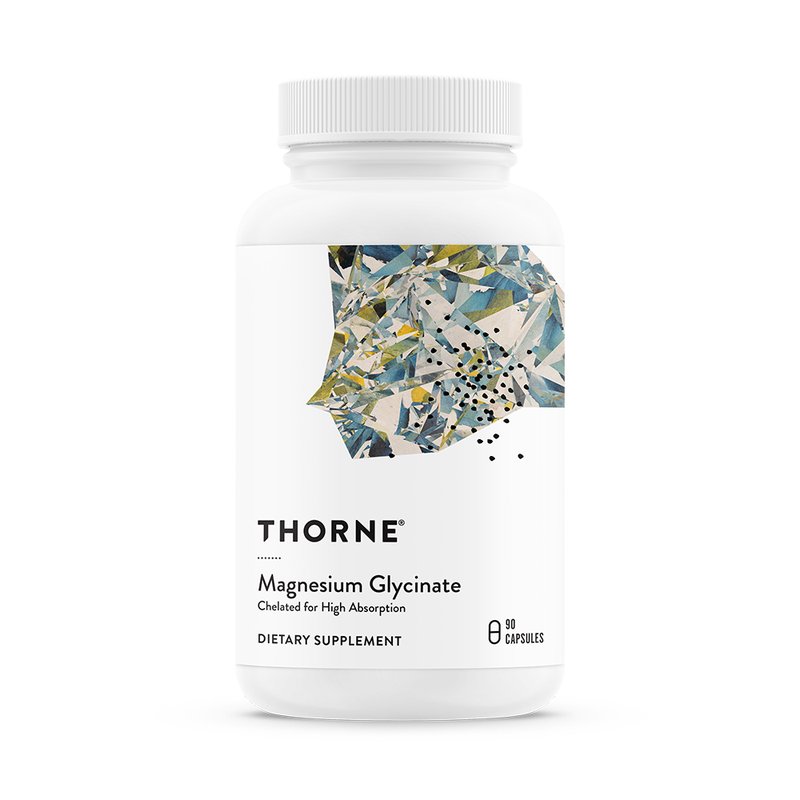
Thorne Magnesium Glycinate capsules

Thorne Magnesium Glycinate
Magnesium glycinate in capsules, listed by the retailer as third-party tested for heavy metals and pesticides.
Shop the magnesium

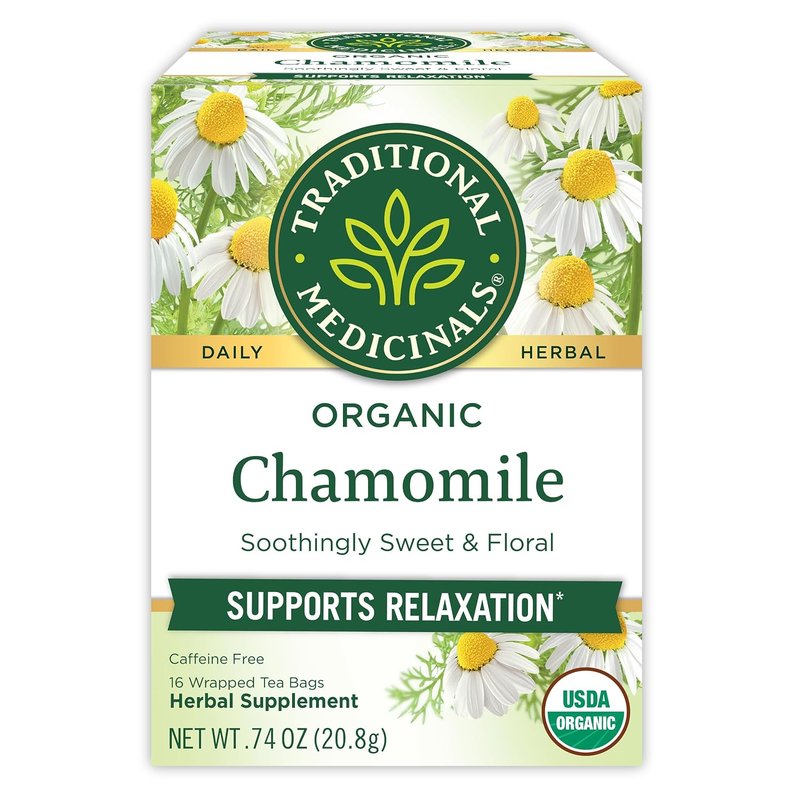
Traditional Medicinals organic chamomile herbal tea

Traditional Medicinals Organic Chamomile Tea
Caffeine-free organic chamomile in wrapped tea bags. Add a pinch of lavender if you want my version.
Shop the tea

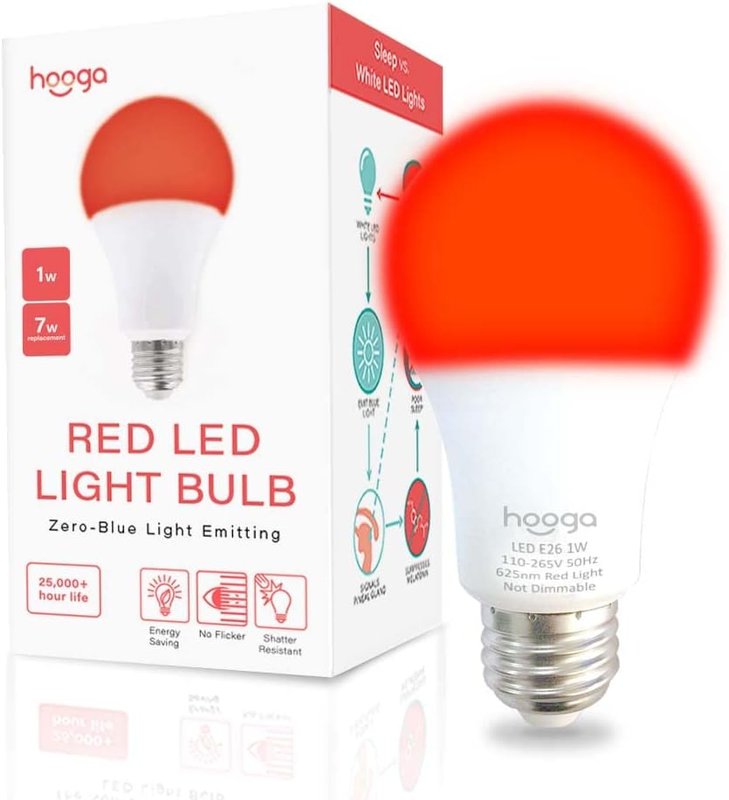
Hooga red sleep light bulb

Hooga Sleep Light Bulb (Red)
A low-wattage 625 nm red LED bulb for a bedside lamp. Dim, warm, no blue-white glare.
See the bulb on Amazon

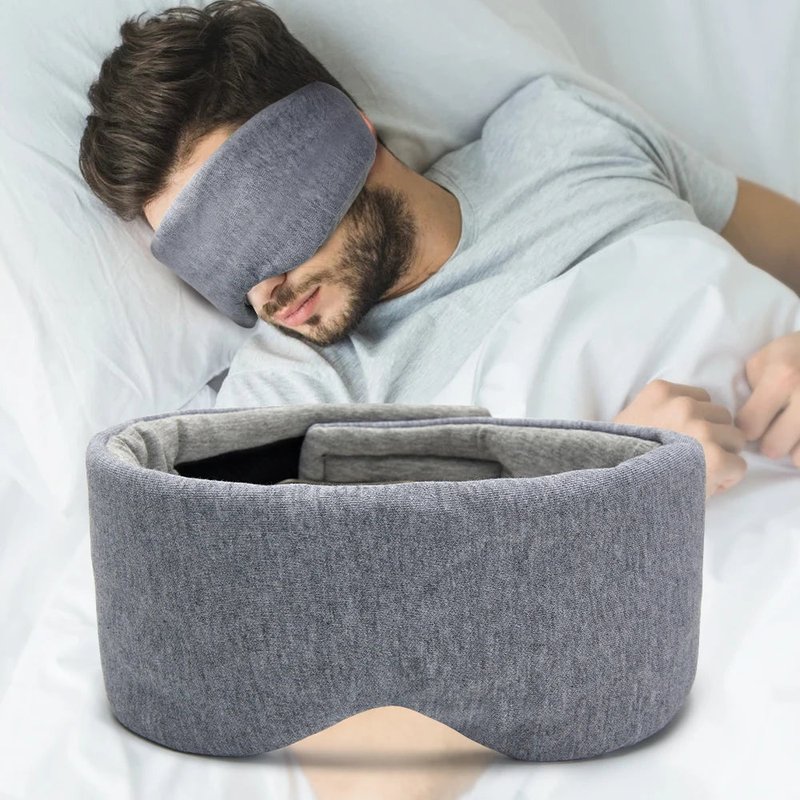
Victoria Emerson Silk Sleep Mask

Victoria Emerson Silk Sleep Mask
A soft cotton-silk mask with full light-blocking coverage, small enough for any travel bag.
Shop the mask

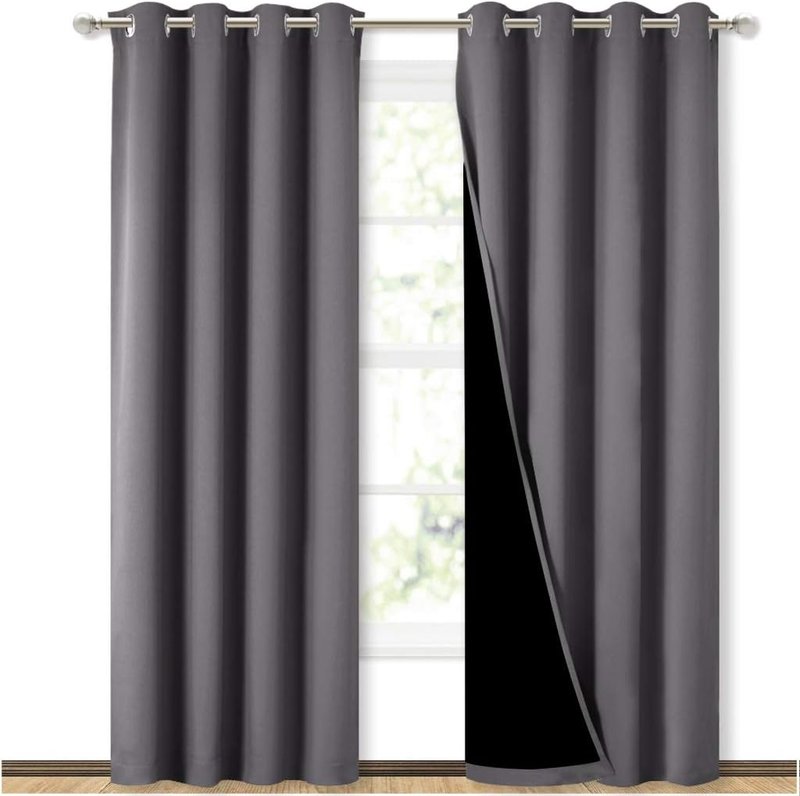
NICETOWN grey blackout curtains, 2 panels

NICETOWN Blackout Curtains (2-Pack)
An affordable pair of blackout panels for the streetlight that thinks it’s the moon. Check your window size first.
See the curtains on Amazon

Why a Nighttime Routine for Better Sleep Actually Works

A nighttime routine for better sleep works for a boring reason: your body loves a pattern. Do the same calm things in the same order around the same time, and your brain starts to read them as a signal: lights down, mug out, we’re closing the shop. It’s less magic and more Pavlov, minus the bell and the drool.

That’s why the routine matters more than any single product in it. A tea won’t knock you out. A capsule isn’t an off switch. A red bulb is just a bulb. Together, done most nights, they become the slow ramp from “day person” to “person who is about to be unconscious,” and that ramp is the whole point.

Anyone selling you a nighttime routine that promises to “cure” insomnia is selling you something else. A nighttime routine for better sleep helps you wind down. If something deeper is going on, that deserves real attention, not a fancier mug.

The Boring Basics of a Bedtime Routine for Adults

Before the fun stuff, the dull truths. They’re dull because they work:

  • Keep a steady bedtime and wake time. Your body clock likes routine more than it likes your weekend plans.
  • Make the room dark, quiet and cool. Blackout curtains like the NICETOWN 2-pack handle the window. A mask like the Victoria Emerson Silk Sleep Mask handles everything else, including hotel rooms with a blinking smoke detector that seems personally invested in you.
  • Park the phone. Bright screens late at night are the classic sleep thief. A common suggestion is to avoid bright screens for two to three hours before bed, which, yes, is a lot. Start with thirty minutes and be proud of yourself.
  • Go easy on late caffeine, alcohol and heavy meals. You already knew this one. I’m just the friend saying it out loud.

Get these mostly right and everything else in your nighttime routine for better sleep has something to stand on.

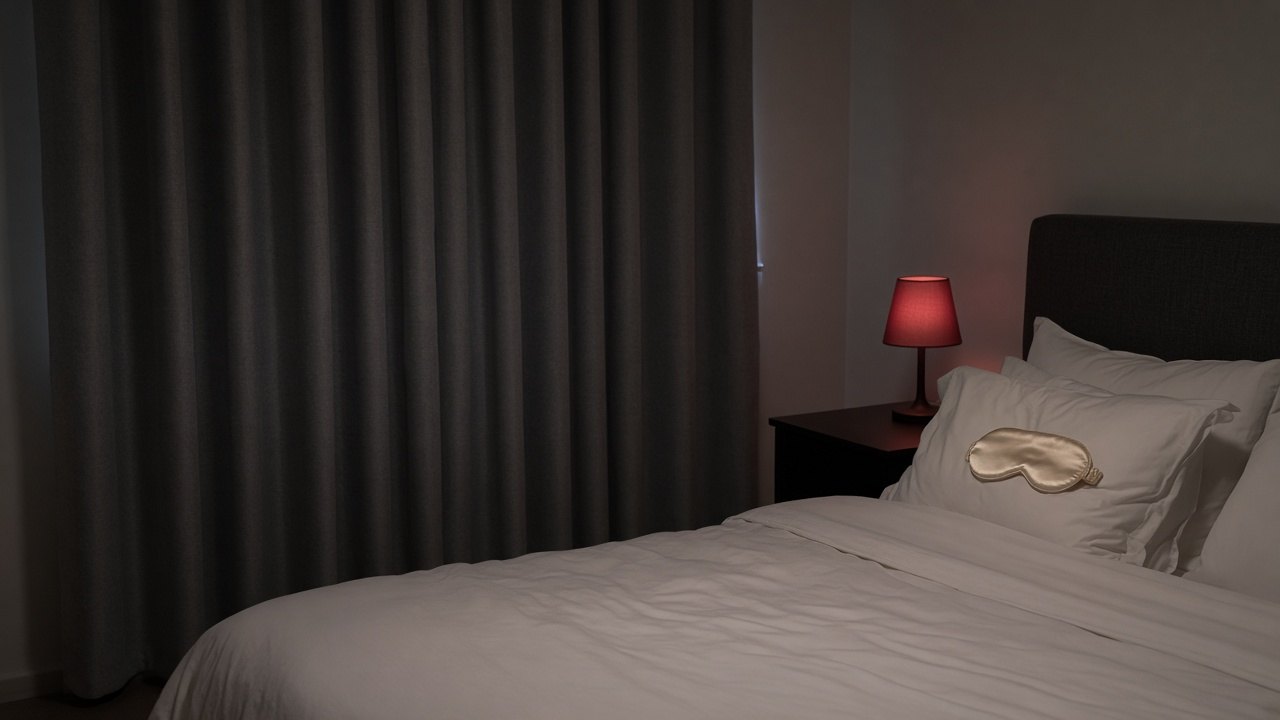
Dark bedroom set up for a nighttime routine for better sleep: blackout curtains drawn, a silk sleep mask on the pillow and a dim red bedside lamp

Chamomile and Lavender Tea for Sleep

Part one of my routine is a cup of chamomile and lavender tea. It’s warm, it smells like a meadow with good manners, and the simple act of making it tells the day it’s over.

What the evidence says, honestly: not much, yet. There’s very little research on chamomile for insomnia so far, and it’s unclear whether lavender helps sleep either. So drink it for the ritual, the warmth and the caffeine-free pause, not because a tea bag promised you eight hours.

Who should check first:

  • Allergies. Chamomile can cause allergic reactions, and they’re more likely if you’re allergic to related plants like ragweed, chrysanthemums, marigolds or daisies.
  • Medications. Interactions between chamomile and the blood thinner warfarin have been reported, and both chamomile and lavender might interact with sedatives. If you take any medicine, check for interactions before you brew.
  • Pregnancy and breastfeeding. Little is known about safety here, so ask first.

The box I link to is Traditional Medicinals organic chamomile, which is caffeine-free and very easy to find.

Magnesium Glycinate for Sleep, Carefully

Part two is magnesium glycinate. Magnesium is a mineral your body uses for hundreds of jobs, and glycinate is a form that’s often chosen because it’s generally described as gentler on the stomach than some other forms.

Does it help you sleep? The honest answer is that the research is mixed and modest. For me, it’s one calm piece of the wind-down, not the whole show.

What research does agree on:

  • Magnesium from food is not the problem. Supplements are where you can overdo it, and too much can cause diarrhea, nausea and cramping.
  • Magnesium supplements can interact with some medicines, including certain antibiotics and osteoporosis drugs.
  • People with kidney problems need to be especially careful, because the kidneys are what clear the excess.

So this is the part of the routine to treat with respect: read the label, start low and pay attention to how your body takes it. I’m not giving doses here on purpose. If you decide to try it, the one I link to is Thorne Magnesium Glycinate.

Red Light at Night: Does It Help You Sleep?

Part three is red light: trading bright white light for dim red in the last stretch of the evening. You don’t need anything that makes your bedroom look like a submarine. The simplest version is a red bulb in a bedside lamp, like the Hooga Sleep Light Bulb.

Here’s the logic. Light at night, especially blue-heavy light from screens and bright white bulbs, suppresses melatonin, the hormone that helps time your body clock. Research suggests dim red lights make gentler night lights, because red light is less likely to shift your circadian rhythm and suppress melatonin.

Notice the careful wording: less likely to disrupt, not will make you sleep. Red light is the polite guest who doesn’t wake anyone up. It isn’t a lullaby with a plug. And darkness is still the goal. The red lamp is for the last stretch of the evening, then it goes off too.

If you’ve seen red light therapy devices sold for sleep, that’s a separate category with bigger claims and thinner evidence. For a nighttime routine for better sleep, dim and red is the part that matters.

My Nighttime Routine for Sleep, and How to Build Yours

The heart of my own nighttime routine for sleep is three things: chamomile and lavender tea, magnesium glycinate and red light. No gong, no chanting, no secret handshake with the moon.

If you want to build your own nighttime routine for better sleep, here’s a simple frame:

  1. Pick a start time about 30 to 60 minutes before you want to be asleep, and keep it most nights.
  2. Switch the lights. Overheads off, warm or red lamp on, screens down.
  3. Make something warm and caffeine-free and actually sit down to drink it.
  4. Take any supplement exactly as the label says.
  5. Do one quiet thing: read on paper, stretch, write tomorrow’s to-do list so it stops shouting at you.
  6. Lights out, mask on if your room isn’t truly dark.

If you like tinkering, I’ve also written about why I use mouth tape for better sleep. For slower evenings in general, there’s my guide to affordable at-home saunas, and for the broader supplement crowd, my Onnit picks.

Nighttime Routine for Better Sleep: FAQ

What should I do before bed to sleep better?

Keep a regular bedtime, make the room dark, quiet and cool, dim the lights and put screens away before bed, and repeat the same short wind-down most nights. Consistency matters more than any single product.

Does magnesium glycinate help you sleep?

The research is mixed and modest. Some people find it a calm, helpful part of their wind-down. Go carefully if you take medication or have kidney problems.

What is the best magnesium for sleep?

There’s no single best form for everyone. Magnesium glycinate is often chosen because it’s generally considered gentle on the stomach. Whichever you pick, follow the label for how much to take.

Does red light therapy help you sleep?

Evidence for red light therapy devices and sleep is limited. What’s better established is that dim red light at night is less disruptive than bright blue-white light, so a red bedside bulb is a gentler choice in the hour before bed.

Does chamomile tea actually help you sleep?

There’s very little research showing it helps insomnia. Many people still find a warm, caffeine-free cup a relaxing part of winding down. Skip it if you have plant allergies or take blood thinners or sedatives.

How long before bed should I take magnesium?

Timing and dose depend on the product, your health and any medications you take, so follow the label rather than a blog.

A Nighttime Routine for Better Sleep Is a Habit, Not a Haul

You don’t need to buy your way to sleep. You need a few calm, repeatable signals and a room that doesn’t fight you. Mine are a cup of tea, magnesium glycinate and red light that turns the room into a very relaxed darkroom. Yours might look different, and that’s fine.

Try one change this week. Then another. And if sleep still won’t come, take that seriously and keep digging for what’s behind it. You deserve actual rest, not just a nicer mug.

More on health, food and feeling human lives in Health, Nutrition & Beauty.

Share:

Facebook
X
Pinterest
Picture of Sara Moura

Sara Moura

With a deep taste for the uncensored, lover of science, poetry, and all things gastronomy. I'm a curious human with a penchant for laughter.


Leave a Reply

Your email address will not be published. Required fields are marked *