Mulled Wine Recipe: How to Make It at Home
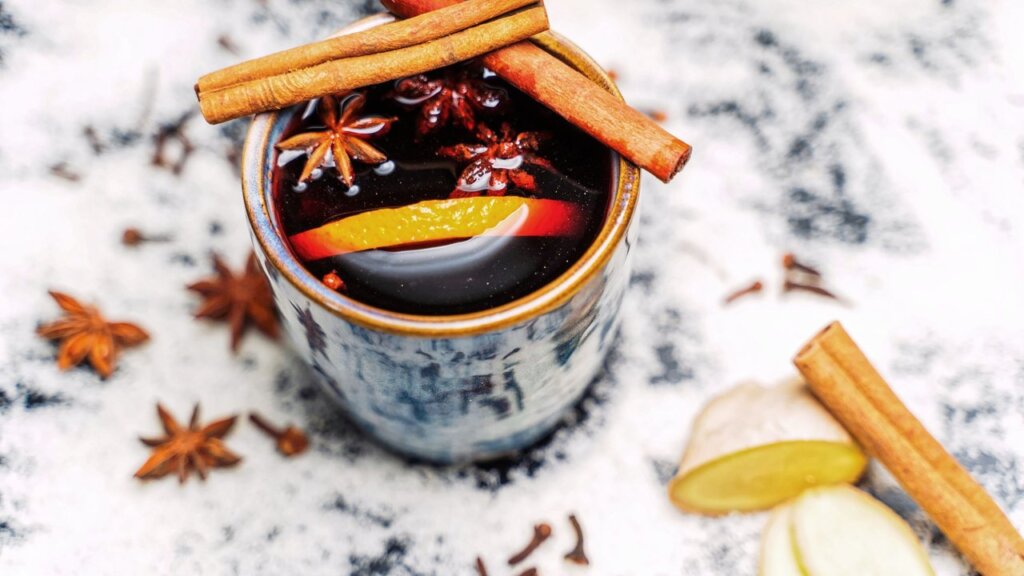
A good mulled wine recipe is less a recipe than a negotiation between a bottle of red, a handful of spices and your patience. Rush it and you get hot, sour wine with a cinnamon stick floating in it like a lost canoe. Treat it gently and you get the drink that makes a cold winter evening feel like a reward instead of a sentence.
People have been doing this for a very long time. The Romans spiced and sweetened their wine, medieval Europe drank something called hippocras, and Sweden still serves its glögg with almonds and raisins soaking in the glass, according to this short history of mulled wine. Here’s how to make it at home without a time machine: the best wine to use, the spices that matter, a stovetop method, slow-cooker and make-ahead options, and an alcohol-free version so nobody is left holding plain cider.
Table of Contents
What Makes a Great Mug of Mulled Wine

Great mulled wine is warm, not hot. Spiced, not potpourri. Sweet enough to round off the edges, not so sweet it tastes like cough syrup with ambitions. Four things get you there:
- A fruity, dry red. The wine is the base, so it has to taste good on its own. It just doesn’t have to be special.
- Whole spices. Cinnamon sticks, cloves, star anise and allspice berries flavor the wine and stay out of your teeth. Ground spices turn it muddy and gritty.
- Fresh citrus. Orange slices and strips of peel bring brightness. Without them, the drink tastes flat and heavy.
- Low heat. Steam, never boil. Boiling cooks off the alcohol, turns the spices bitter and makes the wine taste stewed.
The Best Wine for Mulled Wine

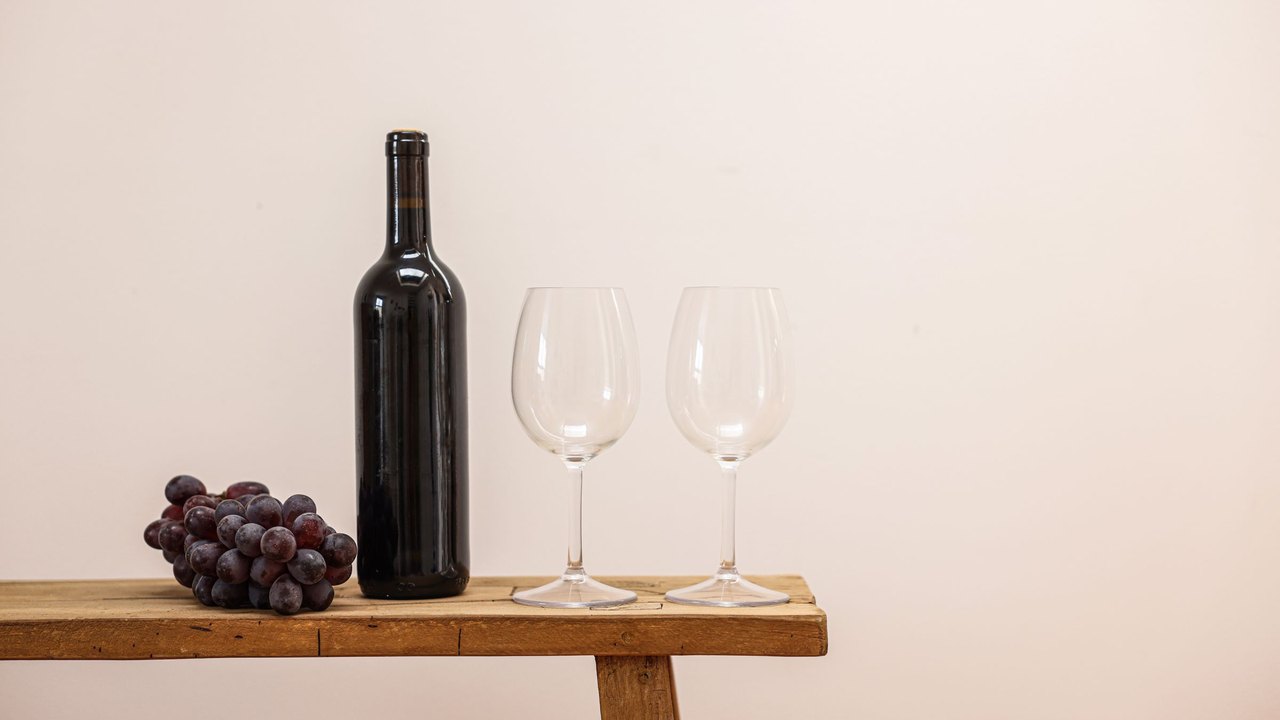
Pick a dry, medium-bodied, fruit-forward red. Tempranillo, Grenache (Garnacha) and Merlot are all excellent; a juicy Zinfandel works too. You want ripe red and dark fruit, soft tannins and not much oak. Heavily oaked wines go bitter and woody once they’re heated, and big tannic reds turn harsh.
Don’t use your best bottle. The spices, sugar and citrus will flatten its subtleties, and that wine deserves to be drunk at room temperature by people paying attention. But don’t use something you wouldn’t drink either. Heating a bad wine doesn’t improve it. It just makes the kitchen smell like the bad wine.
| Wine | Why it works | Mulled wine style |
|---|---|---|
| Tempranillo | Cherry and plum fruit, moderate tannins | Balanced and classic |
| Grenache / Garnacha | Ripe red berries, soft and juicy | Bright and fruity |
| Merlot | Plush, round, low in harsh tannins | Smooth and mellow |
| Zinfandel | Jammy dark fruit with a little spice | Rich and bold |
| Heavily oaked reds | Oak turns woody and bitter when heated | Skip for mulling |
If you don’t have a wine shop you trust, have the bottles come to you. Naked Wines works directly with independent winemakers and ships to your door, which makes it an easy way to stock up on easy-drinking reds for a holiday party, with a few left over for the cook.
Independent winemakers, wine delivered to your door, and a welcome offer for new customers on a first order. Choose fruity, soft reds like Grenache, Tempranillo or Merlot for mulling, and keep a bottle aside for drinking on its own.
Spices, Citrus, and the Extras That Matter

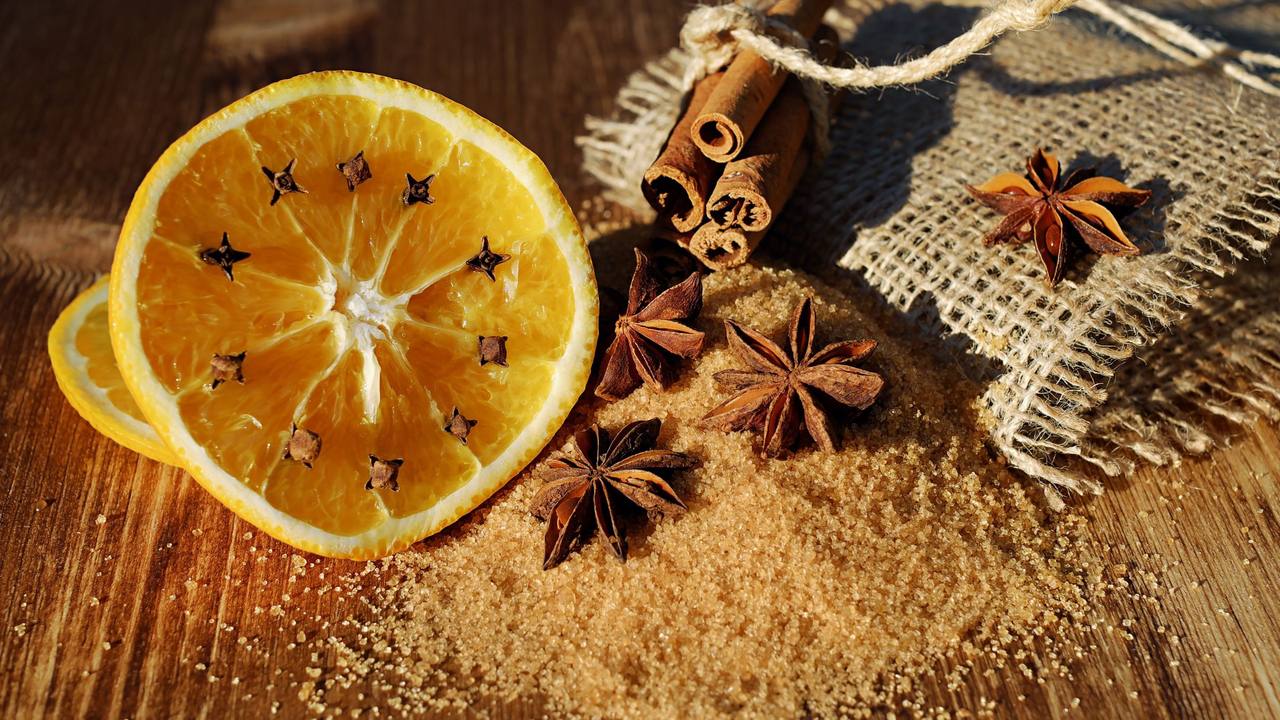
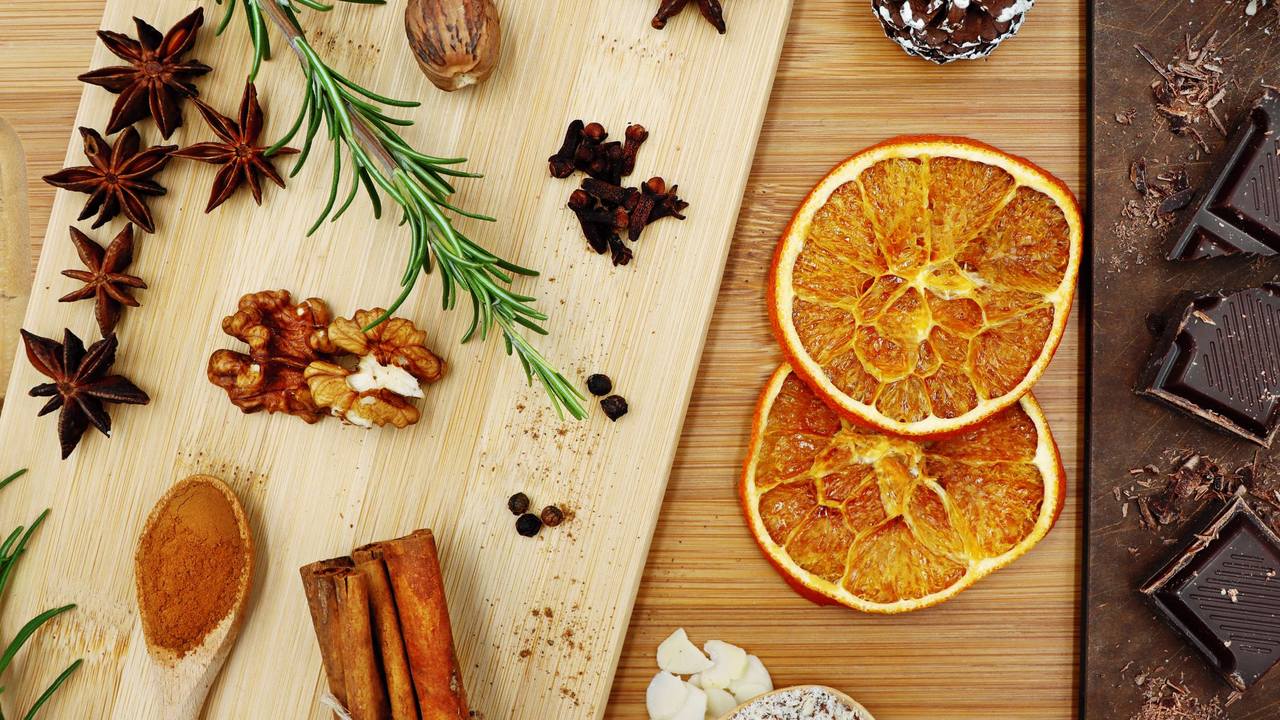
The classic mulling spices are cinnamon sticks, whole cloves, star anise and allspice berries. Add a few lightly crushed cardamom pods if you like a little perfume, or a couple of slices of fresh ginger for heat. Keep the cloves in check: they’re the loudest guest at the party, and five or six per bottle is plenty.
For citrus, use a whole orange. Slice half into rounds for the pot, and peel the other half into wide strips with a vegetable peeler, avoiding the white pith, which goes bitter. A strip or two of lemon peel sharpens things up.
Sweetener is personal. Honey gives a rounder flavor, brown sugar a hint of caramel, maple syrup a nice warm note. Start with less than you think and adjust at the end; you can always add, never subtract.
And the optional splash: brandy, Cointreau or a dark rum, added off the heat right before serving. It gives the drink backbone and replaces a little of the warmth that steam takes away.
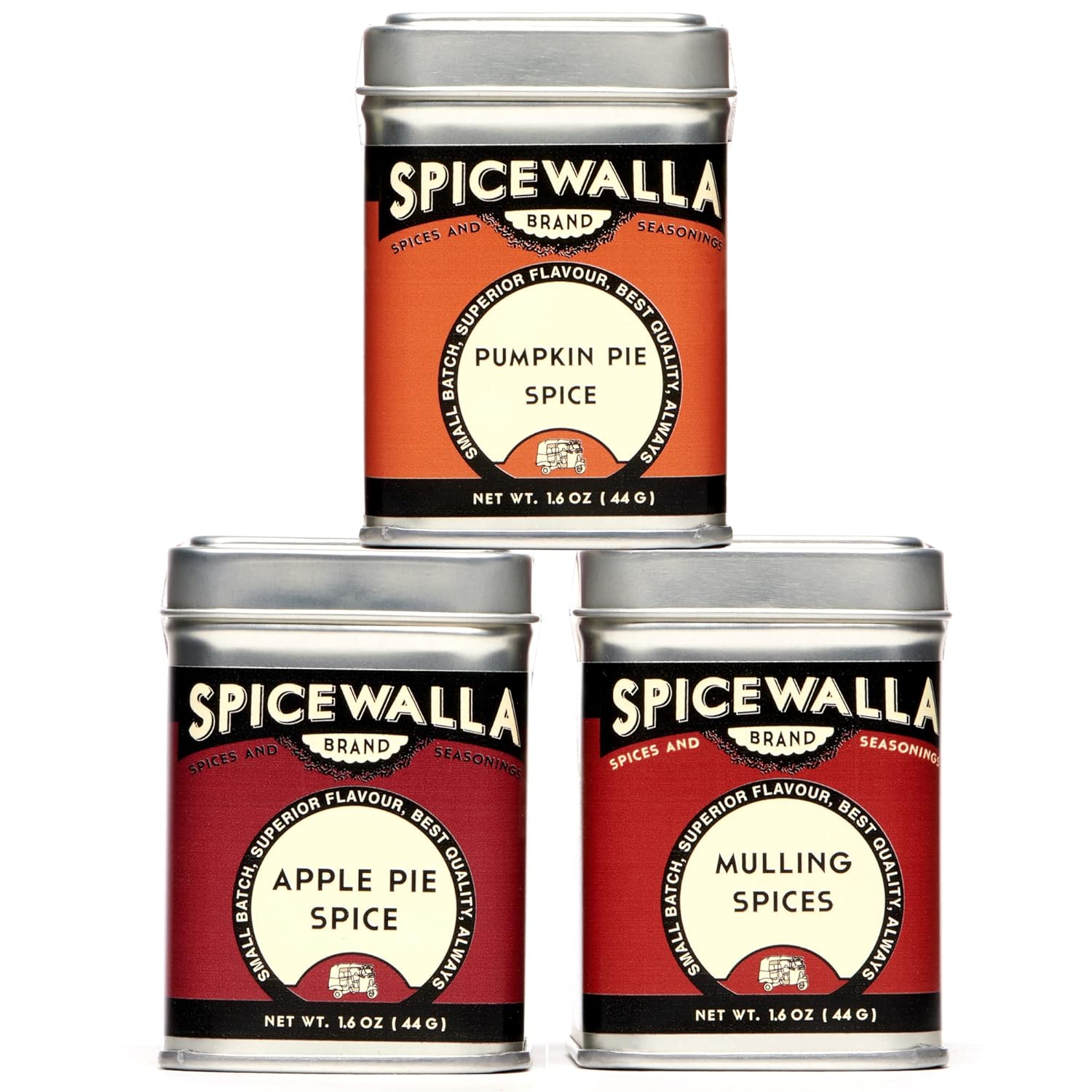
Don’t want to assemble spices one jar at a time? A ready-made blend saves the shopping. Spicewalla’s mulling spices combine allspice, clove, cinnamon, orange peel and star anise, which is the classic lineup.
Spicewalla Holiday 3-Pack: Pumpkin Pie, Apple Pie & Mulling Spices
Spicewalla’s holiday collection in three tins, including the mulling blend of allspice, clove, cinnamon, orange peel and star anise. The other two, pumpkin pie and apple pie spice, take care of the rest of the season’s baking. Founded by chef Meherwan Irani, Spicewalla grinds and packs in small batches, and the tins look good enough to give.
Olde Tradition Spice Mulling Spices, 24 Tea Bags
The alternative option, and the no-strain shortcut: cinnamon, clove, allspice and orange peel packed into 24 individually wrapped bags, with no added sugar. Drop a few into the pot for wine or cider, or one into a single mug, then fish them out when the flavor is where you want it.
The Stovetop Mulled Wine Recipe
This mulled wine recipe makes about six servings from one bottle. Double it for a party; a 4.5-quart Dutch oven holds two bottles with plenty of room for the fruit.
Ingredients

- 1 bottle (750 ml) dry, fruity red wine
- 1 orange: half sliced into rounds, half peeled into wide strips
- 2 to 4 tablespoons honey, brown sugar or maple syrup, to taste
- 2 cinnamon sticks
- 5 or 6 whole cloves
- 2 star anise
- 4 allspice berries (optional: 3 lightly crushed cardamom pods, 2 slices fresh ginger)
- 1/4 cup brandy, Cointreau or dark rum (optional)
- Extra orange slices and cinnamon sticks for serving
Method: warm and steep, do not boil

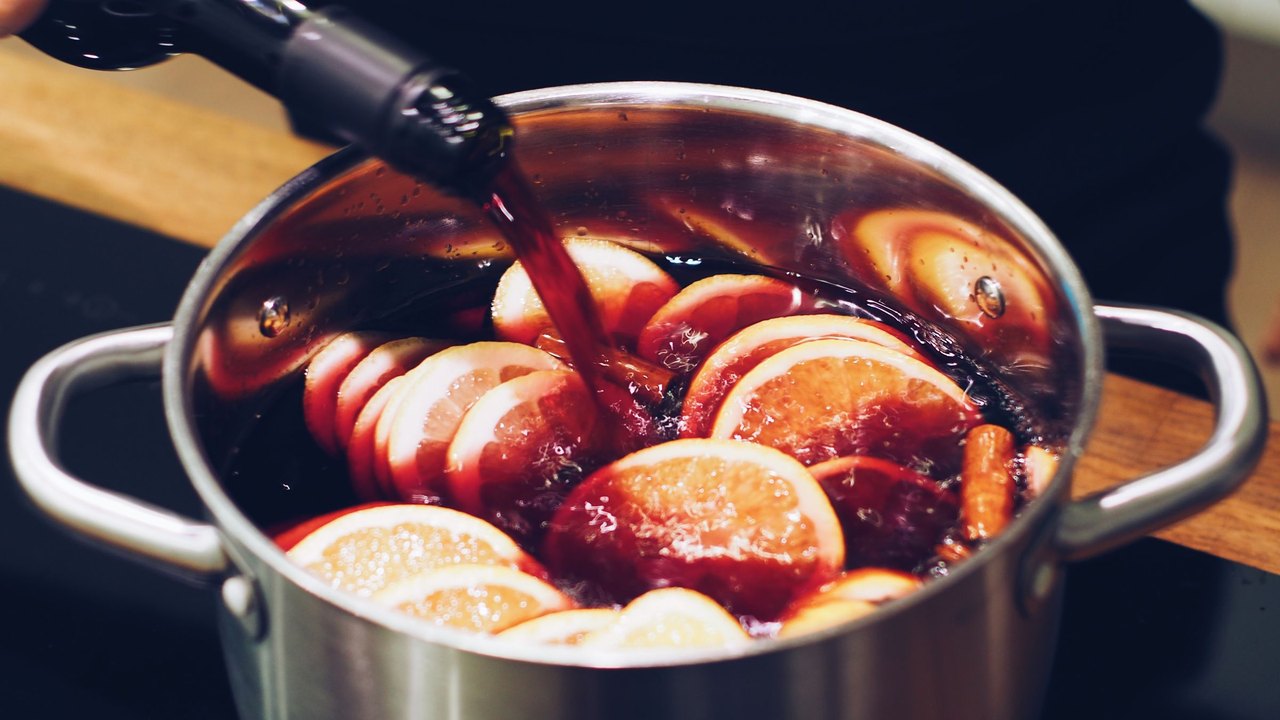
- Combine. Put the wine, orange slices and peel, the smaller amount of sweetener and all the spices into a heavy pot.
- Warm gently. Set the heat to medium-low and bring the wine up until it steams and tiny bubbles appear at the edge. Don’t let it simmer or boil.
- Steep. Turn the heat to the lowest setting, cover, and let it steep for 20 to 30 minutes. Taste after 20. Much longer than an hour and the cloves and peel start to turn bitter.
- Adjust. Taste and add more sweetener a spoonful at a time until the edges are soft but the wine still tastes like wine.
- Finish. Take the pot off the heat, stir in the brandy if using, and strain out the spices, or ladle carefully around them.
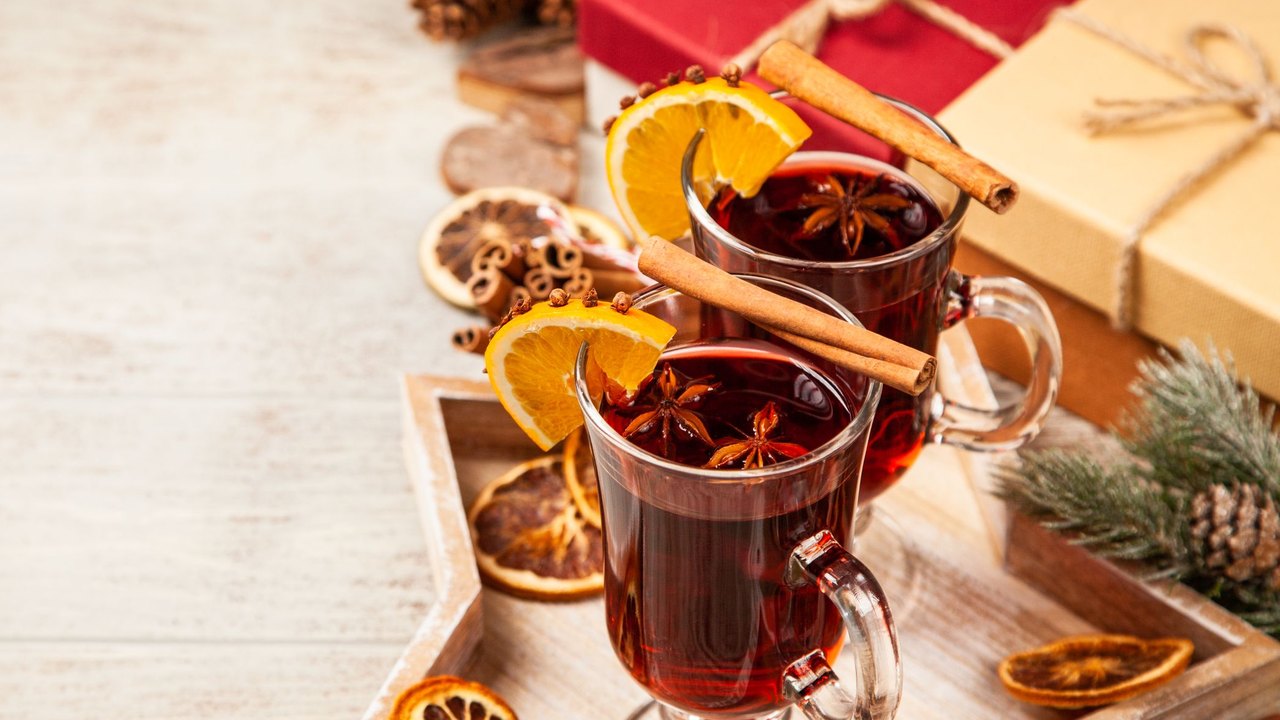
- Serve. Ladle into warm mugs and garnish with a fresh orange slice and a cinnamon stick.
One thing worth knowing: gentle heat doesn’t make it alcohol-free. Research on cooking with alcohol suggests a large share of the alcohol remains even after half an hour of heating. Serve it like the wine it is, and make the cider version below for anyone who isn’t drinking.
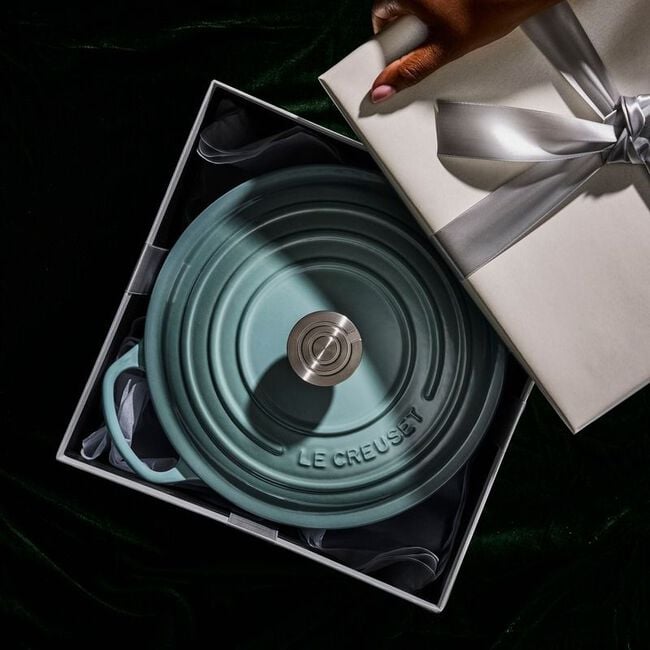
Le Creuset Signature Round Dutch Oven
Enameled cast iron spreads low heat evenly, so the wine warms without hot spots, and the tight-fitting lid keeps the aroma in the pot instead of the hallway. The smooth enamel doesn’t react with wine or citrus. The 4.5-quart size is the sweet spot for a two-bottle batch, and it goes from stovetop to table, so the pot is the serving station.
Slow-Cooker and Make-Ahead Methods

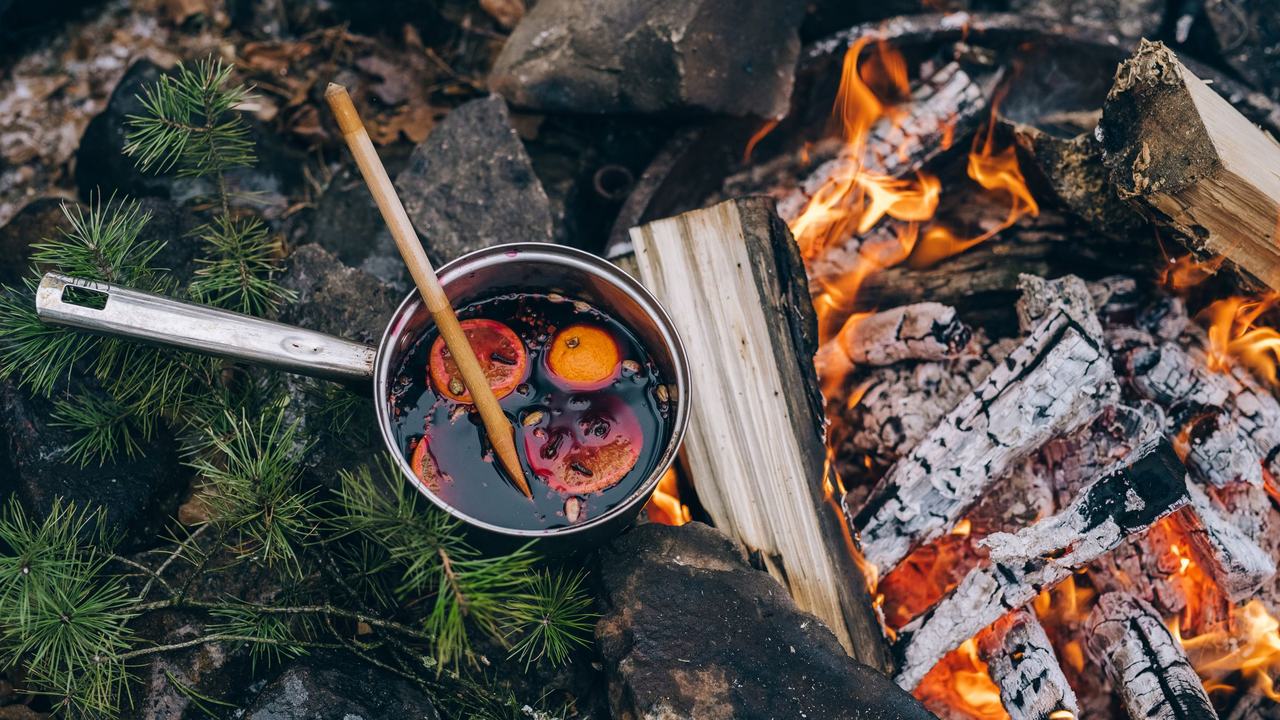
Slow cooker. The same mulled wine recipe works in a slow cooker, and it’s perfect for parties, because it holds the wine at the right temperature for hours without babysitting. Combine everything except the brandy, cook on low for about one to two hours until hot and fragrant, then switch to warm. Pull out the cloves and peel after a couple of hours so they don’t turn bitter, and add the brandy just before guests arrive. Keep the lid on between refills.
Make ahead. Warm and steep the wine as above, strain it, let it cool, then bottle or cover it and refrigerate for up to two or three days. Reheat gently on the stove until it steams, with fresh orange slices, and add the brandy at the end. Many people find it tastes even better the next day, once the spices have settled in.
Reheating leftovers. Yes, you can. Low heat, no boiling, and only once. Repeated reheating dulls the fruit and pushes the spices toward bitter.
How to Serve It, and What to Put on the Table Beside It

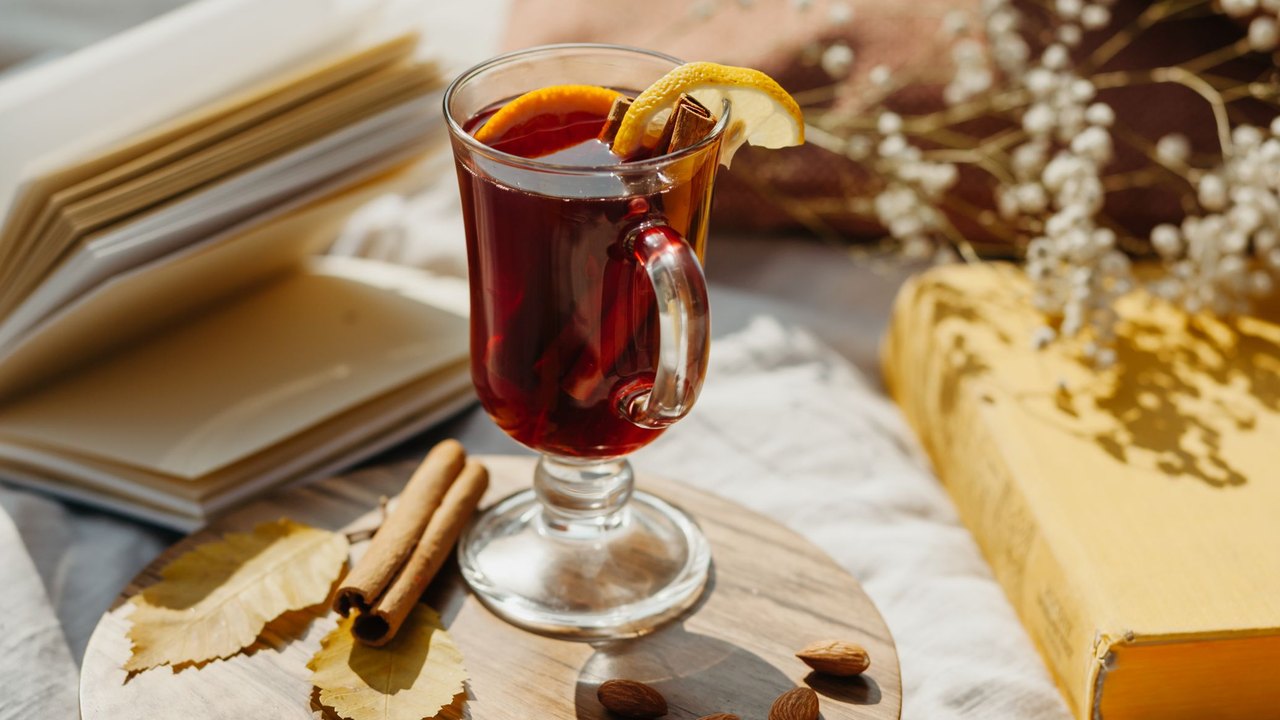
Mulled wine wants a mug, not a stemmed glass. Heatproof glass mugs show off the color; stoneware keeps it warm longer. Warm the mugs with hot water first, and set out a bowl of fresh orange slices and cinnamon sticks so everyone garnishes their own.
This mulled wine recipe loves salty, spiced company. Serve it with the things that taste like the holidays: gingerbread and butter cookies, a cheese board with aged cheddar, Manchego and blue cheese, roasted nuts, dried figs and dark chocolate. Anything salty, nutty or spiced works.
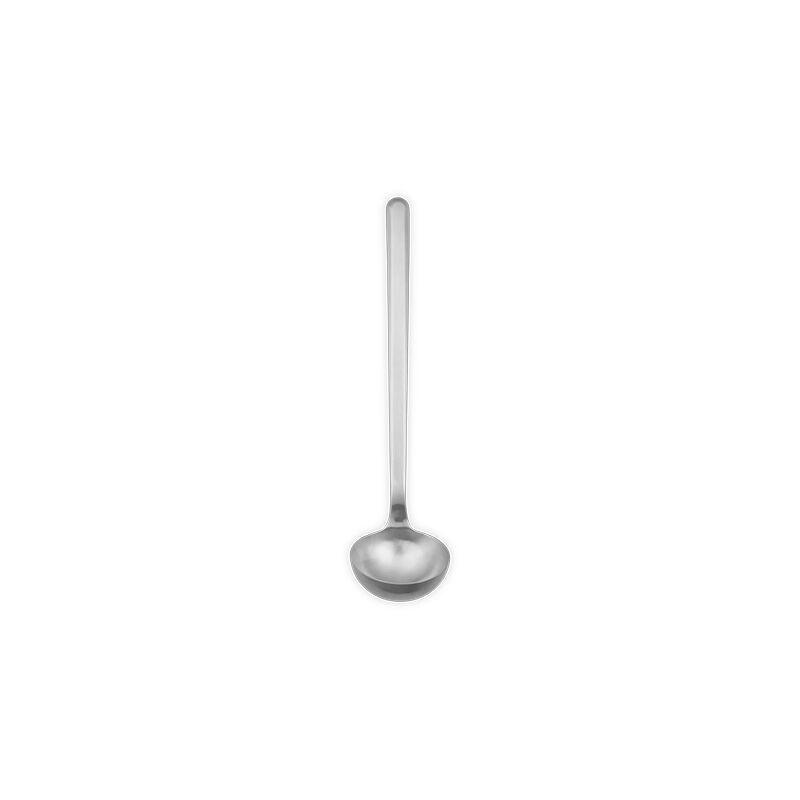
Le Creuset Signature Stainless Steel Ladle
A deep bowl and good balance mean clean pours from pot to mug without a trail of red drips across the counter. It’s made of polished stainless steel, and the flat-edged handle rests neatly on a spoon rest between refills.
Le Creuset Vancouver Mug, 14 oz
A generous 14-ounce stoneware mug that holds the heat, in Le Creuset’s glossy colors. It’s dishwasher and microwave safe, which matters after the party. Mismatched colors make the table look like you planned it that way.
Hosting a whole evening? My unique cocktail glasses roundup covers the bar cart, and the spritz and classic vodka martini recipes take over once the mulled wine is gone. If the cook in your life deserves a thank-you, here are gifts for people who like to cook and Italian gift baskets.
A Non-Alcoholic Mulled Cider Variation

The alcohol-free version deserves the same respect as the main event. Swap the wine for unfiltered apple cider, or use half cider and half unsweetened tart cherry or cranberry juice for a deeper red color. Keep the same spices and orange.
- Use 4 cups apple cider (or cider plus juice) in place of the bottle of wine.
- Cut the sweetener way back, or skip it; cider is already sweet.
- Add a few slices of fresh ginger and a squeeze of lemon at the end so it doesn’t taste like warm candy.
- This version can simmer gently, since there’s no alcohol to protect. Steep for 20 to 30 minutes, strain and serve.
Make it in a separate pot and label it. Mixing up the two pots is a holiday tradition nobody needs.
Mulled Wine Recipe: FAQ
What wine is best for mulled wine?
A dry, medium-bodied, fruity red with soft tannins and little oak, such as Tempranillo, Grenache, Merlot or Zinfandel. Choose a bottle you’d happily drink on its own, but not an expensive one.
How long should you simmer mulled wine?
Don’t let it simmer at all. Warm it until it steams, then steep it on the lowest heat for 20 to 30 minutes. Longer than about an hour can make the spices and peel bitter.
Can you make mulled wine in a slow cooker?
Yes. Cook it on low for one to two hours until hot, then switch to warm for serving. Remove the cloves and peel after a couple of hours and add any brandy just before serving.
Can you reheat mulled wine?
Yes. Strain out the spices, refrigerate, and reheat gently until steaming, without boiling. Reheat it only once for the best flavor.
Can you make mulled wine ahead of time?
Yes. Steep and strain it, cool it, and refrigerate it for up to two or three days. Reheat gently with fresh orange slices and add the brandy at the end.
How do you make non-alcoholic mulled wine?
Use apple cider, or cider mixed with tart cherry or cranberry juice, with the same spices and orange. Heating wine doesn’t remove all the alcohol, as cooking research shows, so a separate alcohol-free pot is the way to go.
What spices go in mulled wine?
Cinnamon sticks, whole cloves, star anise and allspice berries are the classic set, often with orange peel. Cardamom and fresh ginger are good extras. Use whole spices, not ground.
A mulled wine recipe is proof that the best holiday traditions are a little lazy: a pot, a bottle, a few spices and time. Keep the heat low, the company good and the ladle within reach. The rest takes care of itself.
Share:
Sara Moura
With a deep taste for the uncensored, lover of science, poetry, and all things gastronomy. I'm a curious human with a penchant for laughter.